
What All Bettors Must Understand About Betting Bankroll Management
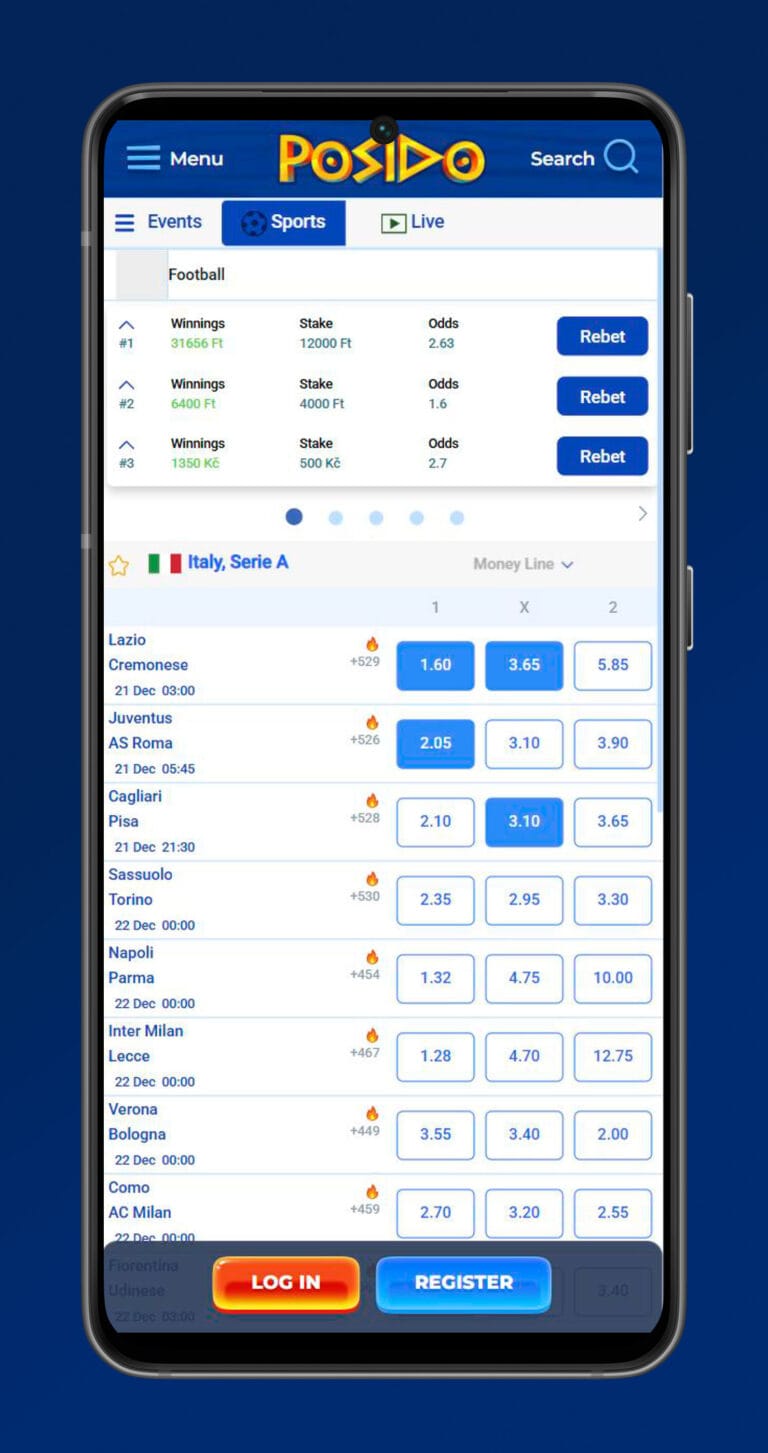
I’ve seen too many Swiss punters walk into Posido Casino’s sportsbook with fire in their eyes, put five impulsive bets in ten minutes, and wonder why their account hits zero before halftime. Bankroll management isn’t the boring part of betting — it’s the engine that keeps you in the game long enough to actually profit from your knowledge. Think of your bankroll as your business capital. Without it, you’re just gambling. With a solid approach, you transform from a casual player into a disciplined bettor who can weather losing streaks and capitalize on winning runs. I’m going to walk you through exactly how I tackle this, and why it is important more than any single match prediction you’ll ever make.
Why Your Bankroll Is Your Most Valuable Asset
I treat my bankroll like a Swiss watch — exact, protected, and never abused. Your bankroll is the entire amount of money you’ve specifically set aside for betting, completely separate from your rent, groceries, or that weekend trip to Zermatt. When I talk to players at Details abrufen who consistently turn a profit, they all share one trait: they never bet money they can’t afford to lose. This mental separation is essential. Once you view your bankroll as a tool rather than disposable cash, your decision-making sharpens instantly. You stop chasing losses, you stop doubling down on emotional favorites, and you start making calculated moves based on potential. Protecting this asset means you’ll still be placing bets in December, not tapping out in February after a rough patch of Bundesliga results.
Tracking Every Bet Like a Professional

I track every single wager I put at Posido Casino, and you could too. A suitable betting log covers the date, the event, the market type, the odds, the stake, the result, and a brief note outlining your reasoning. Without this data, you’re flying blind. After three months of regular tracking, I can review and see that I’m in profit on Swiss Super League over 2.5 goals bets but draining cash on Premier League corners markets. That insight is pure gold. Your log also highlights psychological patterns — maybe you bet more aggressively on weekends after a few beers, or you chase losses during late-night live betting sessions. I advise a simple spreadsheet or one of the many free betting tracker apps available. Check your log weekly, pinpoint what’s working, and double down on your strengths while ruthlessly cutting your weaknesses.
Understanding Unit Sizing for Sustained Growth
I measure everything in units, not francs. One unit equals your flat bet percentage, and it’s the single language my betting log records. If you’re dealing with a 1,000 CHF bankroll at 2% per bet, one unit is 20 CHF. When I find a value play on the Super League or a Champions League fixture, I don’t think “this feels like a 50 franc bet.” I think “this is a 1-unit play with solid expected value.” Here’s how I scale my unit allocation based on confidence and edge:
- 1 unit (standard play): My standard bet when I detect a moderate edge. This covers roughly 70% of all my wagers at Posido Casino.
- 2 units (strong play): Reserved for matchups where my analysis shows a clear mispricing in the odds. I employ this sparingly, maybe once or twice per matchday.
- 0.5 units (lean play): When I prefer a bet but the numbers aren’t overwhelmingly in my favor. Good for testing theories without hazarding meaningful capital.
Never exceed 3 units on any single wager. I don’t worry if you’ve got inside information on a fixed match — discipline beats conviction every time. Your unit system keeps you honest and prevents the kind of rash overbetting that empties accounts faster than a bad penalty call.
A Flat Betting Model That Works for Me
Flat betting represents the easiest and most reliable bankroll strategy I have ever tried. The rule is dead simple: every single bet you place represents the same percentage of your total bankroll, typically between 1% and 3%. If you’ve got 500 CHF and commit to 2% flat bets, you’re wagering 10 CHF on every match regardless of how confident you feel. This eliminates the biggest enemy of profitable betting — emotional sizing. I’ve watched players at Posido Casino wreck their accounts by going 5% on a “sure thing” and 1% on a hunch. Flat betting eliminates ego from the equation. When you hit a losing streak, your bet sizes naturally shrink as your bankroll decreases, which acts as a built-in safety brake. When you’re winning, your bets grow proportionally without you needing to make any conscious decisions.

Controlling Your Funds During Down Streaks
Down streaks are certain. I’ve experienced stretches where I lost eight bets in a row despite solid research and favorable odds. The difference between a sharp bettor and a recreational player is how they respond. When I hit a tough patch, I immediately drop my unit size from 2% to 1% until I’ve had three winning days. This isn’t discipline — it’s survival. Chasing losses by raising your bet size is financial suicide, and I’ve seen it occur at live betting terminals across Switzerland. Here’s my precise protocol for navigating a downswing without abandoning your strategy:
- Stop betting instantly for 24 hours after three consecutive losses. Empty your head and look over your recent wagers without emotion.
- Lower your unit size by half until you’ve made five bets and at least three have won. This safeguards your remaining bankroll while you regain confidence.
- Scrutinize every losing bet in your log. Were you betting on obscure leagues you don’t know well? Were you pursuing high odds without value? Spot the pattern and eliminate it.
- Return to your standard unit size only after a verified profitable week, not a single lucky day. One big win doesn’t mean the slump is over.
Following to this system at Posido Casino has saved my bankroll more times than I can count. The losing streaks end eventually — your job is to still have money when they do.
Modifying Your Plan Using Performance Data
Your bankroll strategy doesn’t have to be unchanging. Every quarter, I conduct a comprehensive audit of my betting performance and adjust in response. If I’ve increased my bankroll by 40% over three months while keeping a 55% win rate, I may consider switching from 2% flat bets to 2.5% to boost growth. Conversely, if my win rate drops below 50% over a substantial sample, I’ll scale back to 1.5% until I diagnose the issue. Here are the key performance indicators I monitor religiously:
- Return on Investment (ROI): Your total profit over total amount wagered. Anything above 5% over 500+ bets is excellent. If you’re negative after 200 bets, your approach requires a complete overhaul.
- Win rate by odds range: I divide my bets into buckets — odds between 1.50-1.80, 1.80-2.50, and 2.50+. This indicates me exactly where my edge exists.
- Market-specific profitability: Match your results across match winner, over/under, both teams to score, and Asian handicap markets. Eliminate the losers and feed the winners.
- Live betting vs. pre-match performance: I realized through tracking that my live bets at Posido Casino underperform my pre-match wagers by 12%. Now I dedicate only 20% of my bankroll to in-play action.
Data-driven adjustments separate professionals from hobbyists. Your bankroll can profit for treating betting like a business with quarterly reviews and measurable targets.
Establishing Your Starting Bankroll the Correct Way
I always recommend to newcomers at Posido Casino to start with an amount that hurts a bit to lose but won’t change their lifestyle. For most Swiss bettors, this falls somewhere between 200 and 1,000 CHF. The exact number matters less than your emotional detachment from it. I advise parking this money in a separate e-wallet or dedicated account so you’re not inclined to dip into it for daily expenses. Once you’ve funded your bankroll, that number becomes your entire betting universe. Don’t put in more funds after a bad weekend, and don’t withdraw after a hot streak unless you’ve hit a predetermined milestone. Consistency here fosters the discipline you’ll need when you’re staring at a live betting opportunity that screams “easy money” but doesn’t match your strategy.
Frequently Asked Questions
What percentage of my bankroll do I stake per play?
I suggest betting between 1% and 3% per bet, with 2% acting as the optimal level for most bettors at Posido Casino. If your bankroll is 500 CHF, a 2% flat bet translates to 10 CHF per wager. This keeps you safe during losing streaks while still enabling meaningful growth during hot runs. Beginners should commence at 1% until they have recorded at least 100 bets and shown they can maintain a positive ROI. Never go beyond 3% on a individual play, no matter how confident you are about a matchup.
How do I bounce back from a large losing streak without going broke?
To begin, cease betting immediately and take at least 24 hours off. Then reduce your unit size to half your usual percentage — if you normally bet 2%, drop to 1%. Review your last 20 bets and spot any patterns of poor judgment. Get back to betting only after you’ve recorded three consecutive winning days at the reduced wager. Never chase losses by boosting your bet amount. Your bankroll will recover organically through controlled flat betting, not frantic attempts to win everything back in one session.
Ought I maintain my betting bankroll separate from my regular money?
Does live betting put more strain on bankroll management than pre-match betting?
Yes, notably. Live betting moves fast, and the adrenaline rush can trick you into placing impulsive wagers without proper analysis. I limit my in-play bets to 20% of my total weekly volume and never increase my unit size https://sportwetten.bild.de/tipps/zheng-vs-tauson-prognose-bad-homburg-24-06-2026/ during live matches. The constantly shifting odds at Posido Casino’s live betting platform can create a false sense of urgency. Set strict rules before the match starts — decide your maximum live bets and stick to them regardless of what unfolds on the pitch.
How often should I review and adjust my bankroll strategy?
I conduct a thorough review every three months or after every 100 bets, whichever comes first. During this audit, I determine my ROI, analyze which markets are profitable, and check whether my unit sizing still matches my bankroll size. If my bankroll has grown by 30% or more, I might increase my flat bet percentage slightly. If I’m down significantly, I’ll scale back until I’ve diagnosed the problem. Weekly quick checks keep me honest, but quarterly deep dives drive real strategic improvements.
What’s considered the biggest bankroll mistake new bettors make?
The biggest mistake I see is bettors treating their entire account balance as one bet. They’ll wager 20% or even 50% of their funds on a single match because they’re convinced it’s a lock. No pick is ever guaranteed, and even the most lopsided matchups produce upsets. Betting too large a percentage on one outcome means a single loss can cripple your account. Start with small, consistent flat bets and accept that building a bankroll takes months, not days. Patience is your greatest weapon against the house edge.
Is it possible to make a living from sports betting with proper bankroll management?
Realistically, very few people accomplish this, and it demands a substantial initial bankroll. To make 5,000 CHF monthly with a 5% ROI, you’d need to wager 100,000 CHF per month — which means your bankroll should be at least 50,000 CHF at 2% flat bets. Most Swiss bettors should view betting as a lucrative sideline rather than a career. Focus on steady small wins at Posido Casino, reinvest your profits, and have fun with it. If you eventually build a six-figure bankroll through years of consistent wagering, then you can consider scaling up professionally.